Pip & Barrel Apple Catalogue
DISCOVERY
Discovery isn’t a show-off. It doesn’t have the pedigree of a Blenheim Orange or the drama of a Belle de Boskoop. What it offers instead is immediacy; being one of the first eating apples of the season, and one full of character. Bred in post-war England and released in the early 1960s, it quickly became the apple that marked the turning of the season. When the first Discoveries blush red against the leaves, you know apple season has begun.
Its charm lies in its honesty. Bite into one and you’ll find a crisp, juicy, and refreshing apple. That flash of red-stained flesh and the faint perfume of strawberries are reminders that flavor doesn’t have to be complicated to be perfect. It’s an apple meant to be eaten with enthusiasm, not studied. By the time the later varieties arrive, Discovery has already had its moment. And for those few weeks, it’s everything you want an early apple to be.
Origin: Essex, England, 1940s (a chance seedling of Worcester Pearmain)
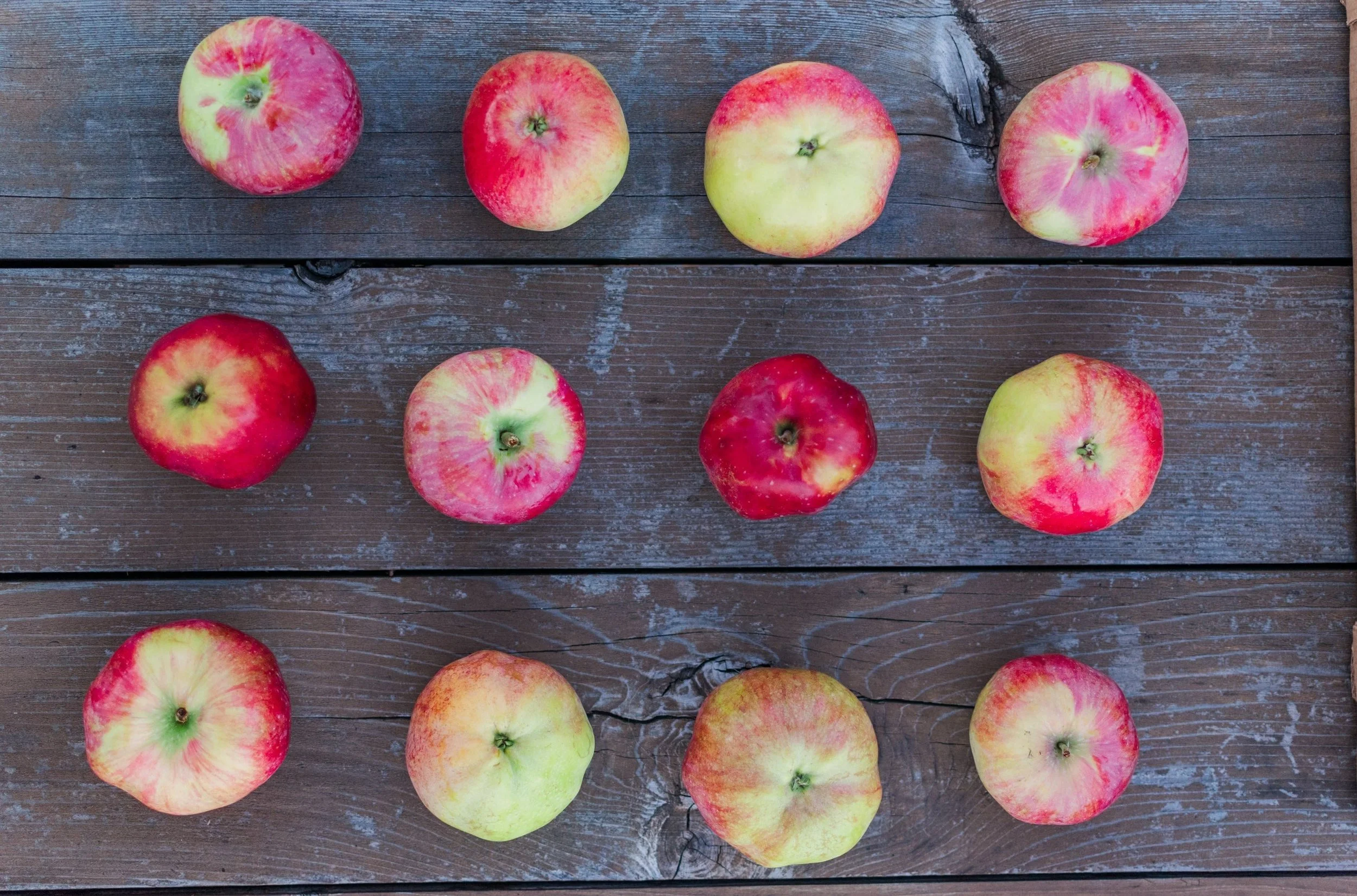
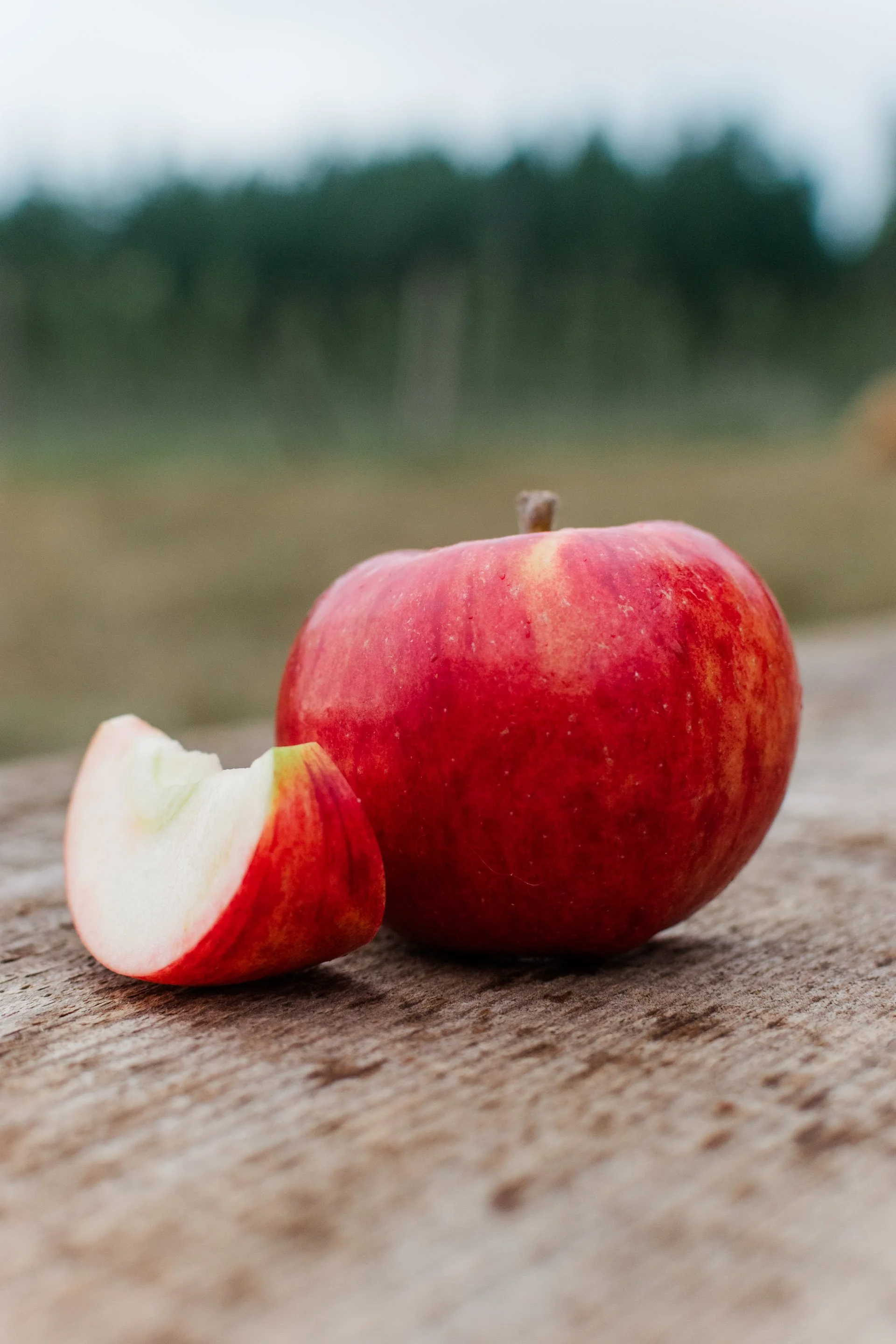
Appearance: Medium-sized and round, sometimes slightly flattened, with yellow-green skin blushed deep crimson on the sun side. The color varies from gentle red wash to full, glossy scarlet. The flesh is pale cream, though often tinged pink just under the skin especially in warm years or when the fruit ripens in full sun.
Flavour: Discovery has a bright, refreshing flavor from its intense acidity; crisp and juicy, with a fine-grained bite and a tang that leans toward strawberry and citrus. It’s not overly complex, but it’s lively and clean, an apple that tastes like the start of something good.
Keeping: One of the very first apples to ripen and often ready mid September. Keeps only a couple of weeks and should be eaten while still young and fresh.
Use: Discovery is made for eating straight off the tree. It’s one of the apples that breaks the long spell between berry season and the first rush of autumn fruit. Chilled, it’s crisp. Sliced, it holds its shape and adds color and zest to salads or cheese plates. In the kitchen, it cooks quickly, making delicate, lightly tart sauce, and it’s occasionally used in cider for its clean aromatics and brisk acidity.
Sign up for our email newsletter and be the first to know about all things apples, including when new varieties are freshly picked and available for sale at our farm!